8 Aug 2026
Animation Techniques Shaping Visual Appeal in Slots Available Through Danish Casino Sites
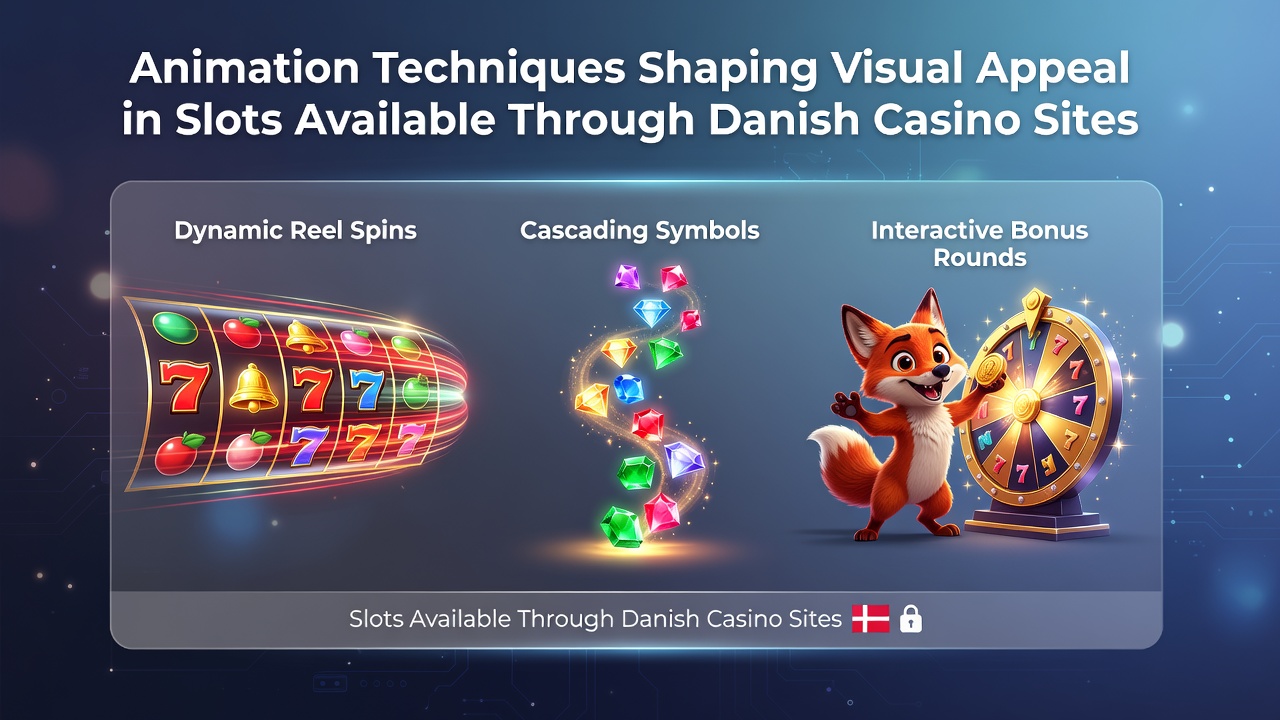
Animation stands at the core of how modern spilleautomater create engagement for players accessing licensed Danish platforms, where developers combine multiple technical approaches to render symbols, transitions, and bonus sequences that respond dynamically to game outcomes. These methods range from traditional frame-by-frame sequences to advanced real-time rendering systems that adjust based on player interaction and random number generator results, all while operators maintain compliance with Spillemyndigheden requirements for fair display and uninterrupted performance.
Core Animation Methods in Contemporary Slot Development
Developers rely on skeletal rigging to animate character-based symbols, where digital bones control movement across multiple layers so that a single asset can shift from idle states to triggered actions without requiring separate files for each variation, and this approach proves efficient for titles distributed across Danish casino sites because it reduces load times while preserving visual detail. Particle systems add another layer by generating thousands of individual elements such as sparks, coins, or environmental effects that follow physics-based paths, creating depth during winning combinations and free spin activations that keep the screen active without overwhelming the underlying reel mechanics.
Shader programming further refines these visuals by applying real-time lighting and texture modifications that respond to camera angles or symbol stacking, allowing light sources to cast dynamic shadows across stacked wilds or expanding scatters in ways that feel integrated rather than overlaid. Observers note that such techniques appear frequently in games from suppliers approved for the Danish market, where technical standards demand consistent frame rates above 60 frames per second even during complex sequences.
Integration with Danish Regulatory Standards and Platform Delivery
Licensed operators in Denmark integrate these animation layers through certified game engines that undergo independent testing to verify that visual effects do not obscure payline information or delay result displays, a process that aligns with data published by the Danish Gambling Authority on approved software providers. Research from the Interactive Software Federation of Europe indicates that optimized animation pipelines can reduce overall data usage by up to 35 percent compared with older uncompressed formats, which supports smoother delivery on mobile connections commonly used by Danish players.
Shifts in rendering technology have also influenced how progressive jackpot meters and multiplier counters animate, with many titles now employing vector-based scaling so that numbers expand or contract without pixelation across different screen resolutions, and this flexibility proves valuable as more users access slots through tablets and smartphones while connected to Danish-licensed servers.
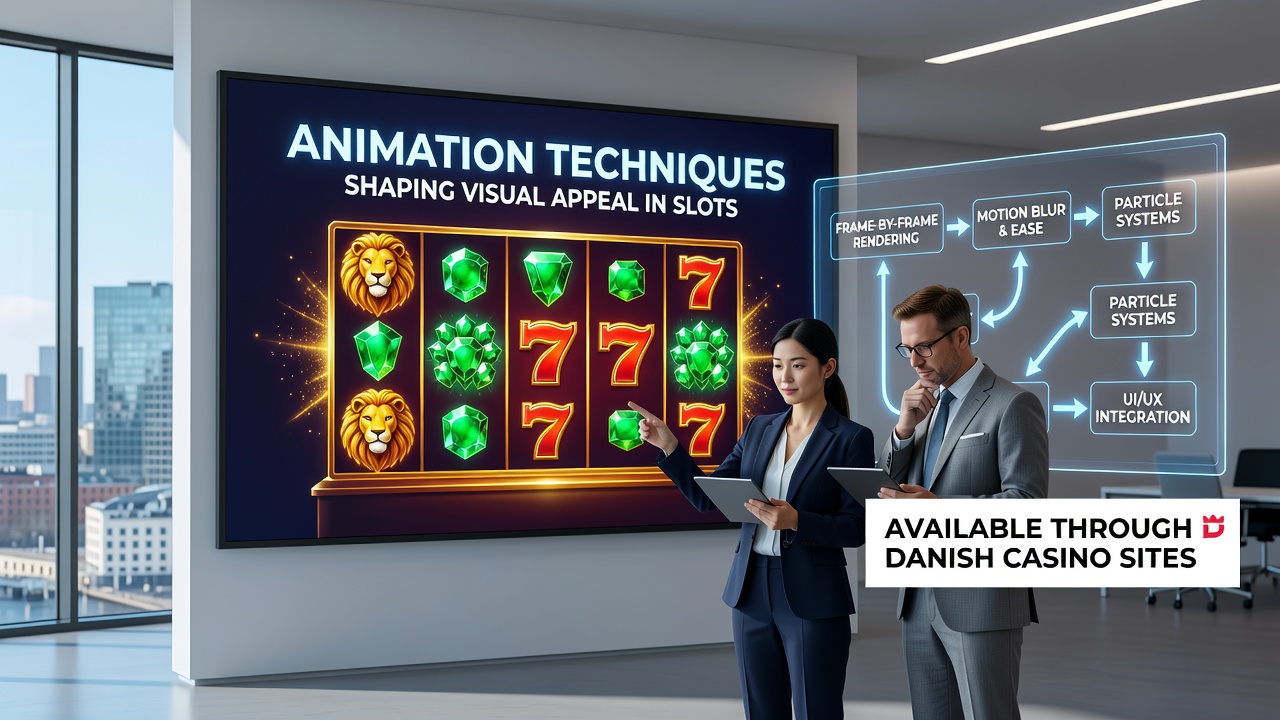
Advanced Rendering and Real-Time Adaptation Techniques
Real-time adaptation occurs when animation engines detect device capabilities and adjust detail levels accordingly, switching between high-fidelity models with subsurface scattering for character skin tones and lighter versions that maintain core movement paths while lowering polygon counts. This capability has grown more relevant as of August 2026, when several Danish operators reported increased mobile traffic that required such automatic scaling to preserve both visual quality and regulatory-mandated responsiveness.
Techniques such as blend shape animation allow facial expressions on themed characters to morph smoothly between states, supporting narrative elements in story-driven slots without interrupting reel spins, while inverse kinematics ensures limbs and objects interact naturally with environmental props during feature rounds. Data from industry reports shows that titles employing these combined methods often sustain longer average session durations across European regulated markets, including Denmark, because the continuous visual feedback aligns with player expectations for polished presentations.
Case Examples from Licensed Danish Offerings
One study of mechanics in games released through Danish platforms revealed that cascading reel animations frequently use hierarchical particle emitters to simulate falling objects that trigger chain reactions, each emitter calibrated to match the game's mathematical model so that visual density correlates with payout size. Another example involves expanding symbols that utilize morphing meshes rather than simple scaling, preserving edge definition while the symbol grows to cover multiple positions, a method that avoids the visual artifacts common in older bitmap resizing approaches.
Those who have examined backend telemetry from licensed providers note that animation complexity correlates with specific game categories, where high-volatility titles tend to reserve heavier effects for rarer bonus triggers, thereby balancing performance demands with the need for impactful reveals when features activate.
Conclusion
Animation techniques continue to evolve alongside hardware improvements and regulatory expectations in Denmark, where developers apply skeletal systems, particle effects, shaders, and adaptive rendering to enhance symbol behavior and feature sequences across spilleautomater on licensed sites. These methods deliver consistent visual performance that meets both technical and compliance standards, supporting the broader ecosystem of regulated digital gaming without introducing unnecessary complexity for players or operators.