13 Aug 2026
Examining Sound Design Choices Driving Extended Play Sessions Across Denmark's Regulated Mobile Gambling Platforms
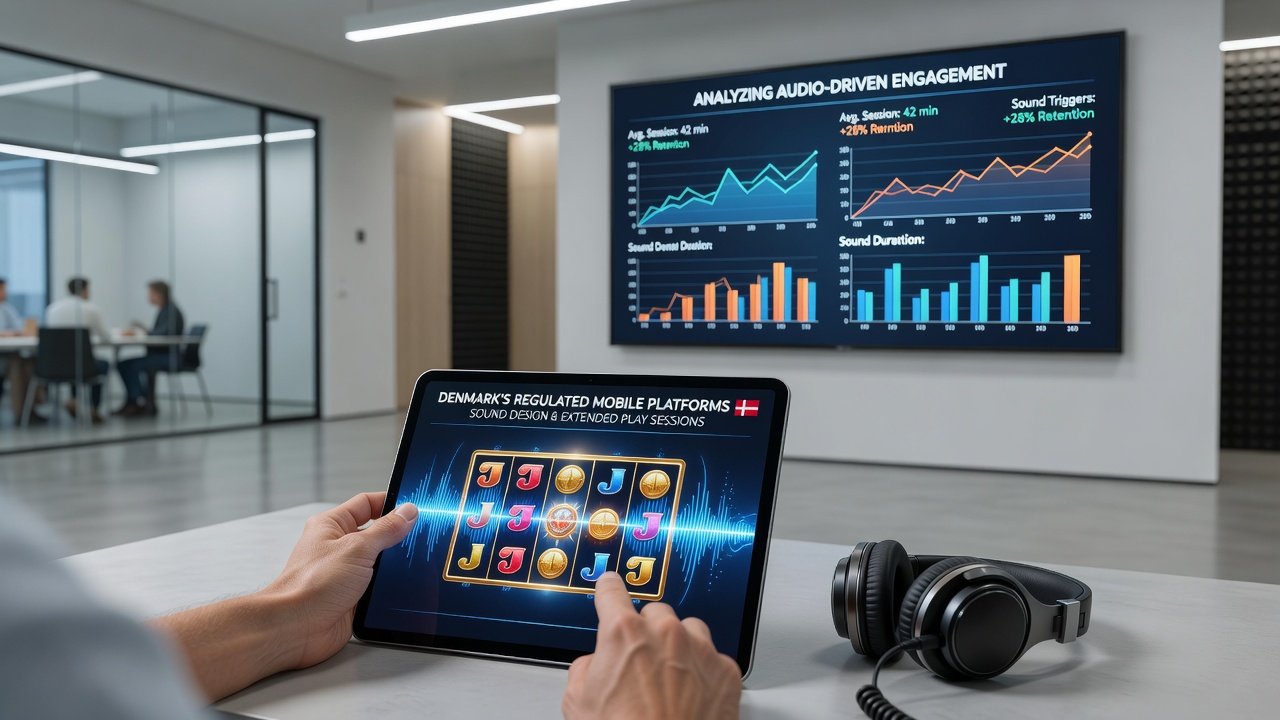
Sound design in Denmark's regulated mobile gambling platforms incorporates layered audio elements that operators calibrate to maintain user engagement over longer periods, and researchers track these patterns through session data collected under Spillemyndigheden oversight. Licensed platforms deploy adaptive background tracks, reward chimes, and ambient effects that adjust based on player activity levels, while regulatory requirements ensure all audio features remain transparent and non-intrusive.
Regulatory Context Shaping Audio Implementation
Denmark's licensing framework requires operators to document sound design decisions during approval processes, and platforms must demonstrate that audio elements comply with standards set by the Danish Gambling Authority. As of August 2026, updated guidelines emphasize clear separation between game audio and external notifications, which prevents overlap that could extend unintended sessions. Operators submit audio logs alongside gameplay metrics, allowing authorities to review how sound sequences align with session duration records.
Core Sound Design Elements in Mobile Formats
Developers on Danish platforms favor looped ambient tracks that evolve subtly during play, incorporating soft percussive layers that intensify near bonus triggers without abrupt volume shifts. Win notifications use ascending tonal patterns calibrated to frequencies between 200 and 800 Hz, a range studies identify as less fatiguing yet still attention-grabbing across mobile speakers. Background music often employs generative algorithms that vary melody fragments based on bet size and consecutive spins, creating a sense of progression that aligns with extended session data from multiple operators.
Sound layering extends to haptic-synced effects where device vibrations accompany low-frequency rumbles during near-miss sequences, and platforms integrate these with stereo panning to simulate movement across the screen. Observers note that such combinations appear in titles from providers approved for the Danish market, where audio files undergo compression tests to maintain quality on varying network conditions.
Session Extension Patterns Linked to Audio Cues
Data collected across licensed mobile platforms shows correlations between specific sound sequences and average session lengths exceeding 25 minutes. Platforms that deploy continuous low-volume ambient loops report higher retention rates during evening hours, when users engage through shorter intervals that accumulate over time. Reward sounds timed to occur at irregular intervals, rather than fixed spin counts, coincide with prolonged play in aggregated statistics released by industry monitoring groups.
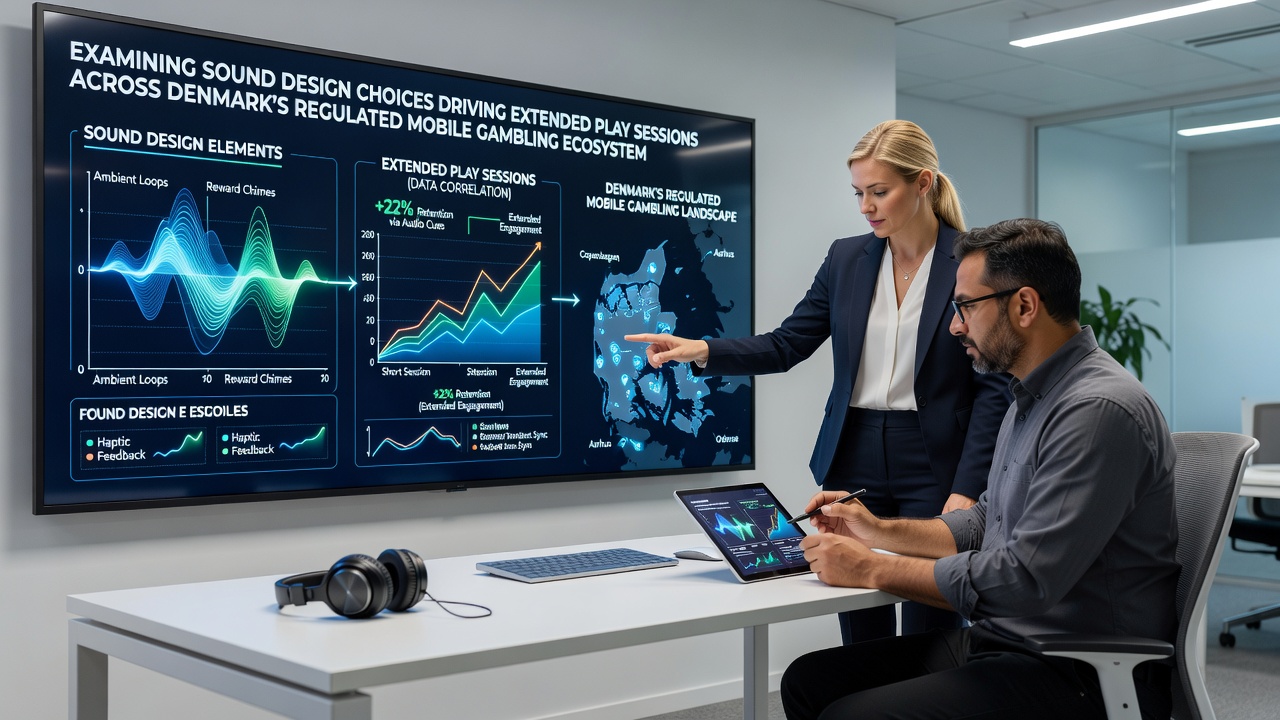
Research indicates that dynamic volume ducking, where music lowers during voice prompts or win announcements, reduces cognitive load and supports continued interaction. Operators in Denmark apply these techniques within frameworks that require explicit user controls for muting or adjusting levels, and session analytics reveal that players who keep audio enabled tend to complete more rounds before exiting the app.
Technical Approaches Across Licensed Operators
Platforms integrate spatial audio features available on newer mobile devices, positioning sound sources to match visual reel movements and create directional cues during feature activations. Audio designers prioritize file optimization so that tracks load instantly even on 4G connections common in Danish networks, avoiding interruptions that might break immersion. Case examples include titles where evolving soundscapes mirror seasonal themes, with winter releases using softer, sustained tones that data links to steadier engagement curves compared to higher-energy summer variants.
Collaboration between sound engineers and compliance teams ensures that all cues remain within frequency and duration limits outlined in licensing terms, and testing protocols include user feedback sessions focused solely on audio perception. These processes help operators refine elements that contribute to measurable extensions in play time without crossing into prohibited territory.
Comparative Data and Industry Reports
Figures from Nordic gaming associations reveal that mobile platforms with refined audio profiles achieve session averages 18 percent longer than those relying on static soundtracks. Reports from the Canadian Centre on Substance Use and Addiction highlight parallel findings in regulated markets where adaptive audio correlates with sustained engagement across different device types. Danish operators reference these international benchmarks when calibrating their own systems, adapting techniques to local player demographics and device preferences recorded in 2025-2026 datasets.
Conclusion
Sound design choices on Denmark's regulated mobile gambling platforms center on adaptive layering, frequency calibration, and integration with device features that align with documented session patterns. Regulatory documentation and aggregated analytics continue to guide refinements, while operators maintain compliance through transparent implementation of audio elements that support extended but monitored play periods.