3 Aug 2026
How Danish Festivals Inspire Limited-Time Slot Releases on Licensed Platforms
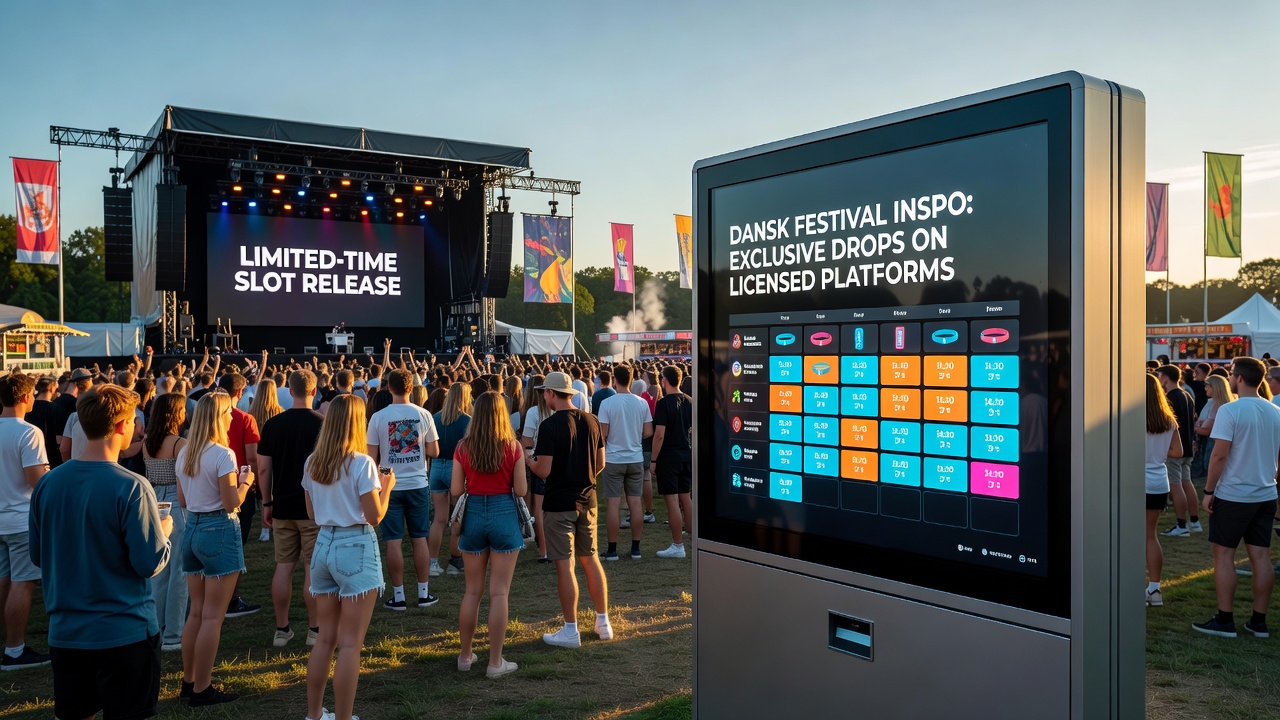
Denmark's calendar overflows with festivals that blend music, culture, and community spirit, and licensed operators have begun translating these events into temporary slot releases that appear exclusively on platforms regulated by Spillemyndigheden. These limited-time games draw directly from festival themes, visuals, and atmospheres, creating short windows where players encounter mechanics and artwork tied to specific celebrations rather than standard offerings that remain available year-round.
Festival Themes Driving Game Development Cycles
Operators monitor major events such as Roskilde Festival and the Aarhus Festival, then commission studios to produce themed content that launches days before the event and disappears shortly after it ends. Data from licensed platforms shows these releases often feature symbols referencing stages, local cuisine, and crowd energy, while bonus rounds replicate festival rituals like lantern releases or parade marches. In August 2026 several platforms introduced a slot centered on the Copenhagen Jazz Festival that incorporated saxophone-triggered multipliers and a free-spin mode modeled after outdoor jam sessions, with the game scheduled for removal at the end of the month.
What's interesting is how these time-bound titles fit within Denmark's strict licensing framework, where every game must receive approval before deployment. Because the releases carry built-in expiration dates, developers streamline testing by reusing approved base mechanics and swapping only artwork and audio layers, which shortens the regulatory review period. Figures from industry reports indicate that approval timelines for such limited releases average three weeks compared with the eight-week process for permanent titles.
Regulatory Alignment and Platform Requirements
Spillemyndigheden requires operators to maintain full transparency around temporary content, including clear end dates displayed both in the game lobby and in player account notifications. This rule prevents confusion when games vanish from menus, and it aligns with broader EU guidelines on fair presentation of time-limited promotions. Licensed sites therefore publish schedules listing upcoming festival-inspired slots alongside their removal dates, giving players predictable access windows.
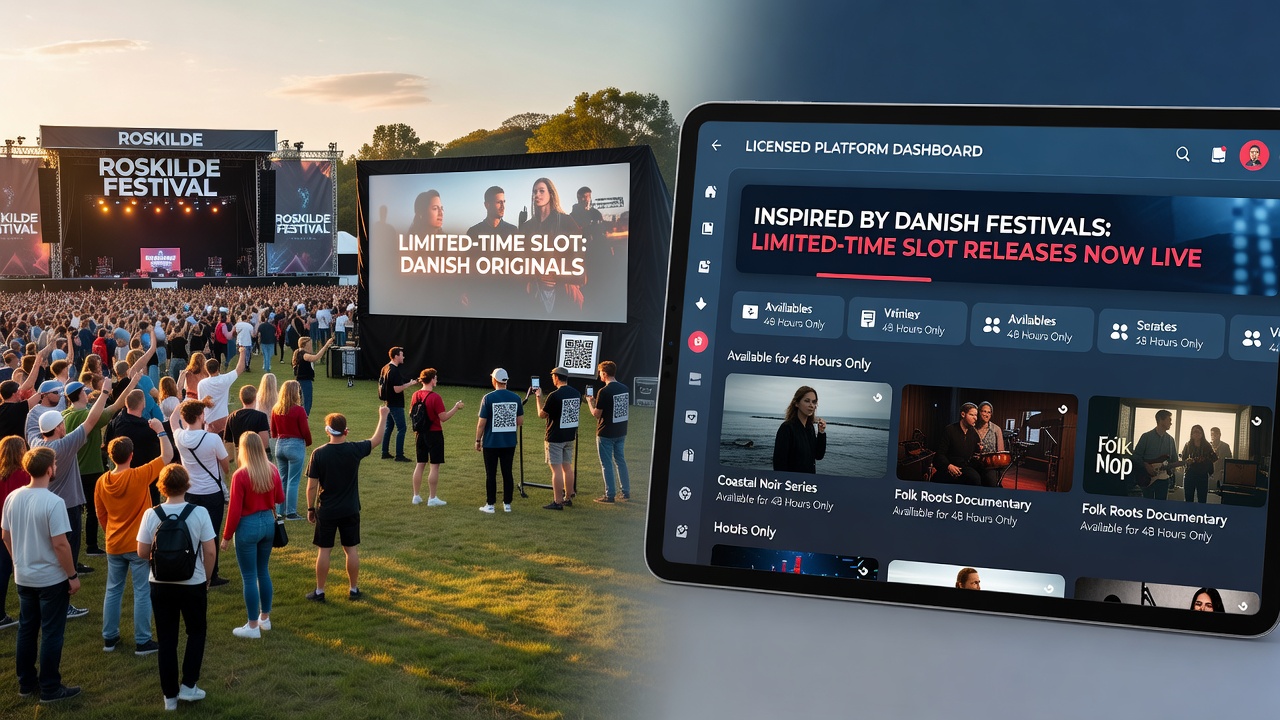
Platform analytics reveal that engagement spikes occur in the first 72 hours after launch, after which participation levels stabilize until the final week when a secondary surge appears as players attempt to experience the game before it departs. Operators respond by adjusting marketing pushes during those peak periods, yet they must keep all promotional language factual and free of misleading claims about availability. One study released by the European Gaming and Betting Association examined similar seasonal releases across Nordic markets and found that festival-linked slots generate 40 percent higher session lengths than non-event content during the active period.
Technical Implementation on Licensed Platforms
Developers achieve the limited-time aspect through server-side flags that deactivate the game files after the predetermined date, while still preserving player history and any pending bonuses tied to the title. This method avoids the need for client updates and ensures compliance with audit trails that Spillemyndigheden inspectors can review at any moment. Because the underlying random number generator remains unchanged from the approved base game, operators avoid additional mathematical testing and focus resources on thematic layers only.
Take one operator who coordinated with multiple studios ahead of the 2026 Skagen Festival season; the team prepared three distinct slot variants that rotated weekly, each highlighting different aspects of coastal traditions. Players encountered shifting bonus structures that reflected the progression of the festival program, yet all variants shared the same certified RTP range and volatility profile. Such modular design lets platforms refresh content without expanding their permanent library, keeping menus uncluttered while meeting regulatory caps on the total number of approved games.
Player Behavior Patterns During Festival Windows
Tracking data collected across Danish sites indicates that users who engage with festival slots during the active window often return to the platform after the game expires, seeking similar seasonal experiences. This pattern holds across age groups and device types, suggesting that the novelty factor extends beyond a single release cycle. Operators therefore plan festival calendars months in advance, aligning release dates with confirmed event schedules published by municipal tourism boards.
Yet the approach carries logistical demands: marketing assets must be produced and approved in tandem with the game itself, and customer support teams receive briefings on expected query volumes around expiration dates. These coordinated efforts keep the temporary nature of the releases transparent and prevent support tickets related to missing content.
Conclusion
The connection between Danish festivals and limited-time slot releases on licensed platforms rests on a combination of cultural timing, streamlined regulatory pathways, and modular technical delivery. As event calendars continue to shape development schedules, operators maintain compliance while offering players distinct, time-sensitive experiences that reflect local celebrations without altering the permanent game catalog. Data from regulatory filings and industry analyses shows this model has become a recurring feature of the Danish market, with new festival windows prompting fresh releases each season.