30 Jul 2026
Tracing Regulatory Influences on Game Mechanics in Denmark's Licensed Digital Gaming Platforms
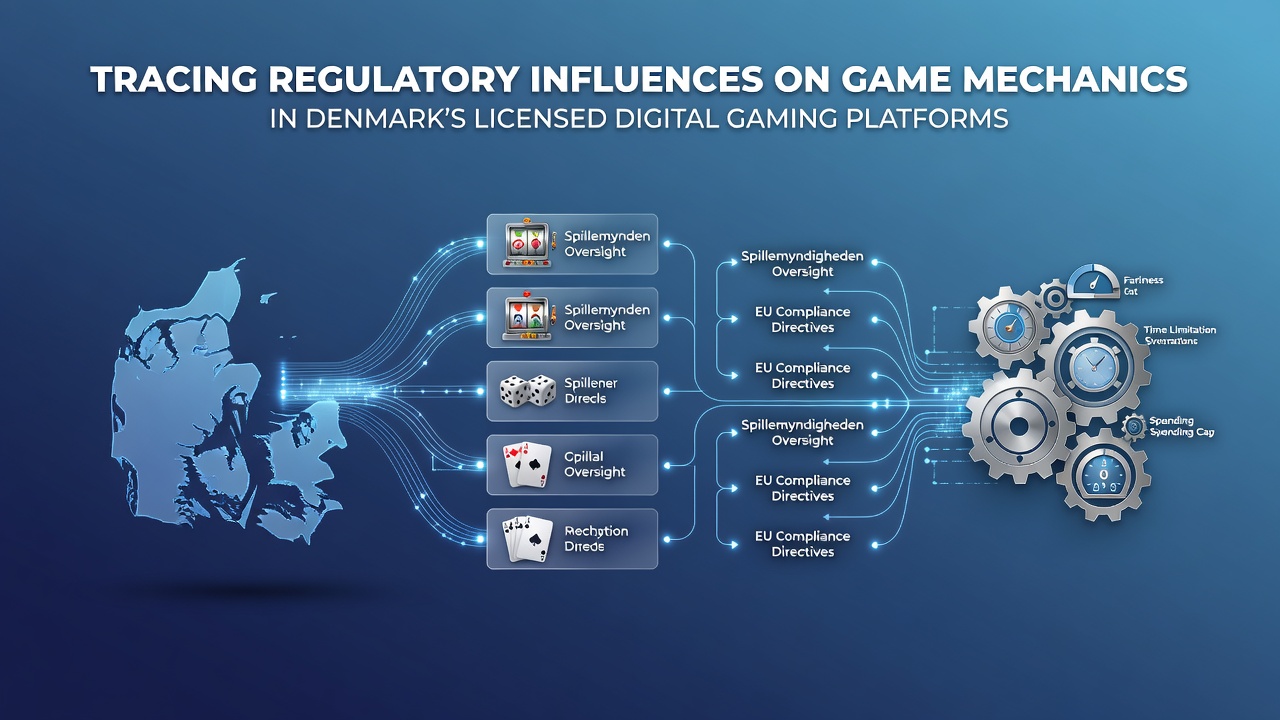
Denmark maintains a tightly controlled licensing system for digital gaming platforms through the Danish Gambling Authority, where specific rules dictate how game mechanics must operate to receive certification, and operators must demonstrate compliance before launching titles to the public. These requirements extend beyond basic approval processes into the core design elements that define gameplay, such as random number generator standards and feature activation protocols.
Core Regulatory Requirements for Game Certification
Under current Danish rules, every game submitted for licensing undergoes technical evaluation that verifies adherence to predefined parameters for randomness, payout structures, and operational transparency, while the authority mandates that all mechanics align with national standards for fairness and player information disclosure. Developers adjust reel configurations, symbol weighting, and trigger conditions accordingly to meet these benchmarks, and platforms integrate real-time monitoring tools that log every mechanic interaction for audit purposes.
Certification also covers how bonus rounds initiate and resolve, requiring clear documentation of probability calculations so that regulatory reviewers can trace outcomes back to approved algorithms, and this process influences the inclusion or exclusion of certain interactive elements that might otherwise appear in less regulated markets.
Effects on Random Number Generators and Outcome Determination
Licensed operators must employ RNG systems that pass independent testing against ISO standards adapted for Danish conditions, which means game studios calibrate their core engines to produce sequences that satisfy both statistical uniformity tests and ongoing surveillance requirements. Data from platform audits shows that these constraints lead developers to simplify certain layered mechanics, such as cascading wins or expanding wilds, because each added layer demands separate verification cycles that extend approval timelines.
Studies conducted by European research institutions indicate that certified RNG implementations in Denmark correlate with reduced variance in short-session play compared to international versions of the same titles, although long-term return-to-player percentages remain consistent with approved ranges. Operators report that updating mechanics after initial certification requires fresh submissions, which discourages frequent experimental changes adn favors stable designs that have already cleared review.
Integration of Responsible Gaming Mechanisms into Core Play
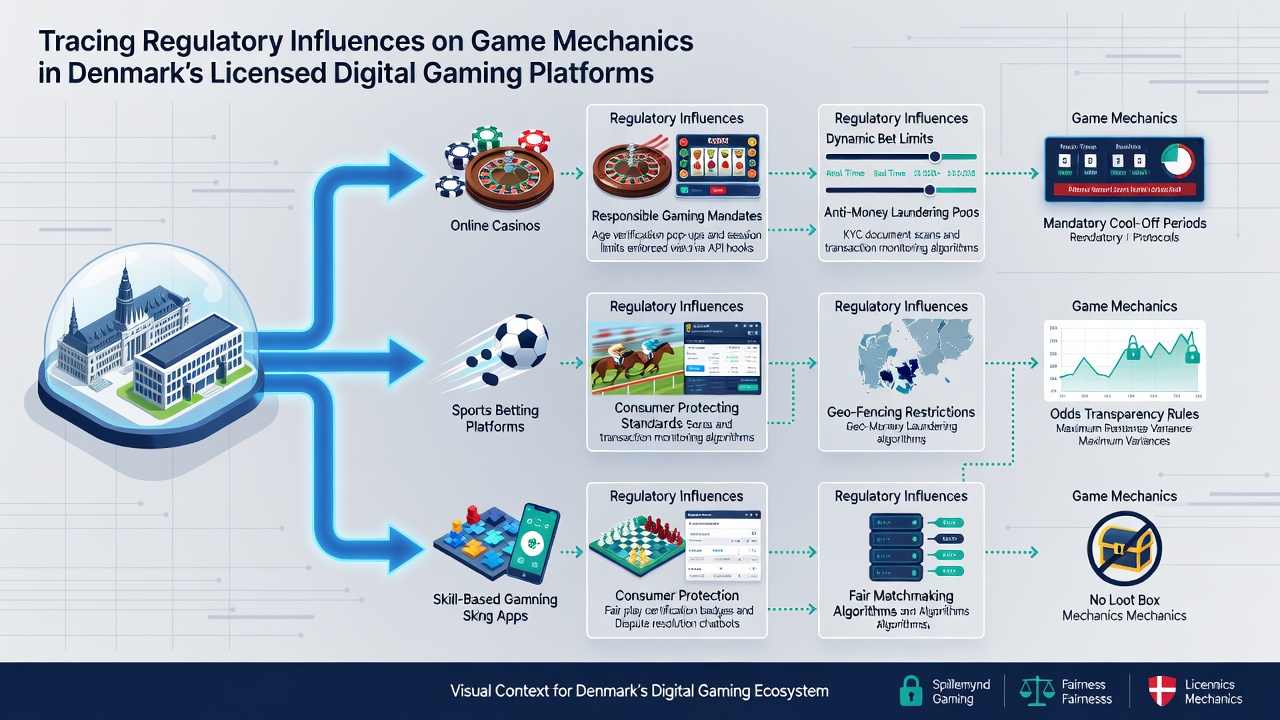
Regulations require that loss-limit and session-time tools activate directly within game interfaces rather than as separate overlays, forcing designers to embed these functions into the flow of spins and feature triggers without disrupting certified randomness. This integration affects how progressive elements accumulate or reset, since any mechanic that could encourage extended play must include visible intervention points at set intervals.
According to figures released by the Danish Gambling Authority, platforms that embed these controls report measurable shifts in average session duration, and developers respond by restructuring reward schedules to maintain engagement while complying with mandatory pause prompts. Mechanics involving near-miss presentations face additional scrutiny, resulting in standardized display ratios across approved titles.
Recent Adjustments Observed in July 2026
Updated guidelines taking effect in July 2026 introduced stricter documentation for multi-stage bonus sequences, requiring operators to submit probability trees for every possible path through layered features, and this change prompted several providers to streamline their Danish-market releases by removing optional gamble functions that had previously required separate certification. Industry reports from that period note a temporary dip in new mechanic launches while studios aligned submissions with the revised checklist.
Platforms adapted by prioritizing mechanics that allow modular toggling of responsible gaming elements, enabling quick compliance adjustments without full recertification, and observers note that these modifications preserved core appeal while satisfying the authority's emphasis on transparent player choice.
Comparative Influences from Broader European Standards
Denmark's approach intersects with EU-level directives on consumer protection, which encourage harmonization of disclosure rules across member states, and this alignment leads licensed platforms to adopt uniform labeling for volatility indicators and feature frequencies that mirror practices seen in other regulated jurisdictions. Research from Canadian academic sources highlights how such cross-border consistency reduces the need for market-specific mechanic overhauls, although Danish requirements remain more prescriptive on RNG audit frequency than many comparable frameworks.
Operators therefore maintain separate code branches for Danish versions, where feature triggers incorporate mandatory cooling-off indicators and where certain high-intensity mechanics receive modified activation thresholds to meet national thresholds.
Conclusion
Regulatory oversight in Denmark continues to shape game mechanics through certification protocols that govern randomness, feature transparency, and embedded player protections, with updates such as those implemented in July 2026 reinforcing the need for precise documentation and modular design. Platforms respond by refining their offerings to satisfy these conditions while preserving operational viability, and the resulting ecosystem reflects ongoing calibration between compliance demands and technical execution. Data from official channels and independent analyses confirms that these influences produce measurable differences in how licensed titles function compared to unregulated environments.